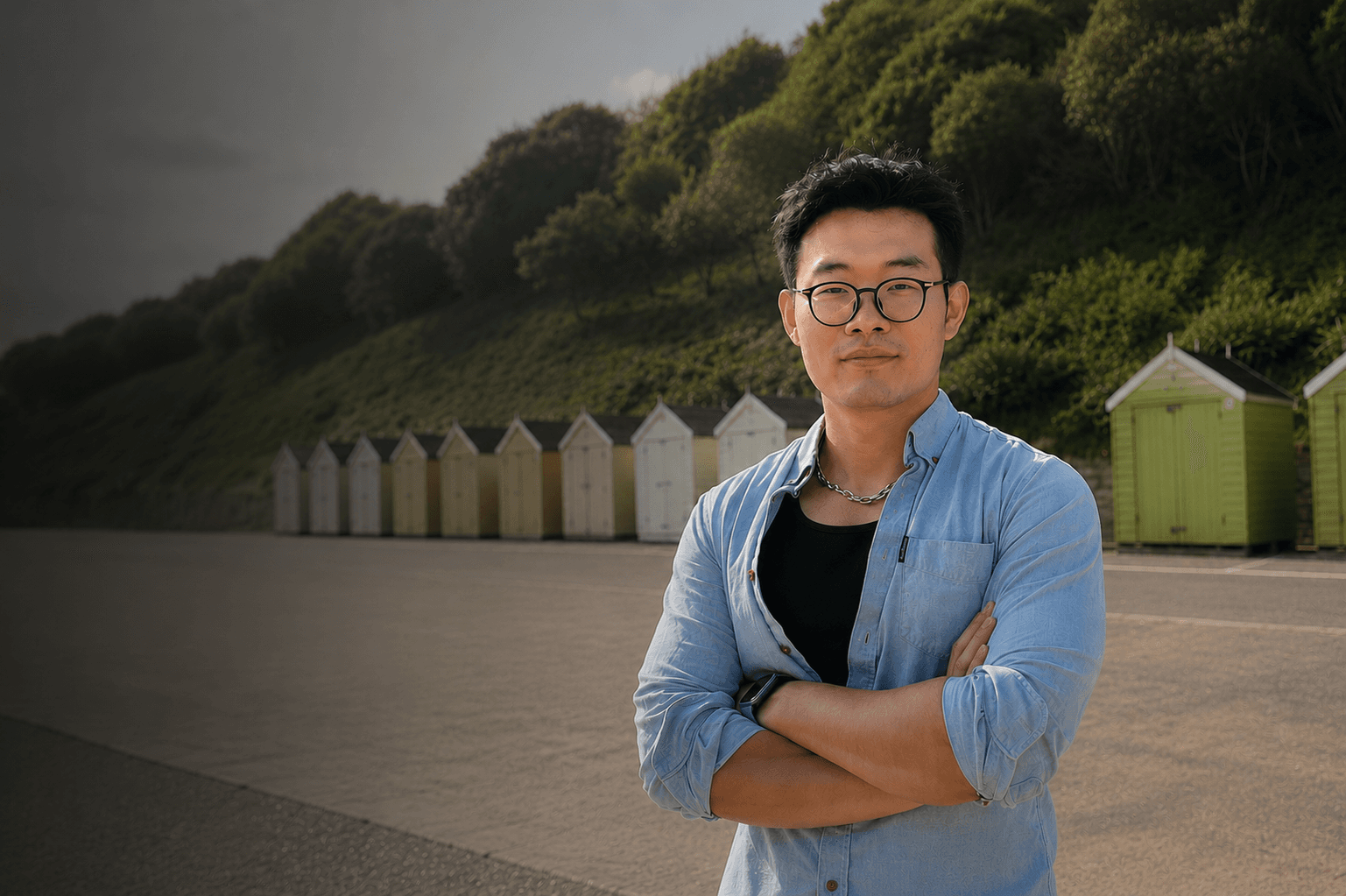
Zach Wang
PhD Researcher @ UCL · Independent AI / Quant Researcher · he/him
AI agents formachine‑learning‑drivenquantitative research.
My work combines systematic modelling, machine learning, walk-forward validation, diagnostic evidence, and human-governed AI agents to make quantitative research observable, reproducible, and auditable.
Robust quantitative research requires more than model outputs. It depends on a disciplined research process: explicit assumptions, reproducible experiments, leakage-safe validation, diagnostic evidence, and clear visibility into where a model works, where it fails, and why. My work is built around making that process observable, auditable, and repeatable.
I built Zeto as an independent AI-agent-assisted quantitative research platform for systematic experimentation and governed research automation. The platform brings together machine learning, walk-forward validation, research diagnostics, experiment tracking, reporting, configuration control, and research memory in a single reproducible environment. The agent operates over real research artefacts: model outputs, validation diagnostics, experiment states, reports, configuration files, and prior research context. It retrieves evidence, reviews experiments, identifies failure modes, drafts next steps, and supports research decisions while keeping execution, judgement, and accountability under human control.
This website presents that research process directly. The Platform section shows how Zeto is designed. The Research section walks through a complete quantitative investigation and its supporting diagnostics. The AI Agents section demonstrates how AI agents can accelerate research workflows while preserving human judgement, execution control, and research integrity.
A validation-first quantitative research environment combining systematic experimentation, machine learning, and AI-assisted research orchestration.
Zeto combines deterministic quantitative research infrastructure with AI-assisted orchestration. Research execution, validation, and evidence generation remain reproducible and human-governed, while AI assists with planning, interpretation, and iterative investigation.
- Intent Parser
- Workflow Router
- Config Synthesiser
- Human Approval
- Data Acquisition
- Feature Engineering
- Signal Research
- Machine Learning
- Portfolio Construction
- Walk-Forward Validation
- Regime Analysis
- IC Diagnostics
- Drift Detection
- Failure Visibility
- Reports
- Diagnostics
- Figures
- Registries
- Provenance Records
- Context Builder
- Failure Detection
- LLM Review
- Iteration Proposal
- Experiment Draft
- Intent Parser
- Workflow Router
- Config Synthesiser
- Human Approval
- Data Acquisition
- Feature Engineering
- Signal Research
- Machine Learning
- Portfolio Construction
- Walk-Forward Validation
- Regime Analysis
- IC Diagnostics
- Drift Detection
- Failure Visibility
- Reports
- Diagnostics
- Figures
- Registries
- Provenance Records
- Context Builder
- Failure Detection
- LLM Review
- Iteration Proposal
- Experiment Draft